- Seeing is Selling
- Posts
- CGIs That Sell: 10 Things to Always Get Right
CGIs That Sell: 10 Things to Always Get Right
From timing and dressing to drone views and sun position - here’s the checklist we live by

Richard Birket
April 25, 2025
Creating a great marketing CGI isn’t just about making an image that looks nice. It’s about making an image that works strategically. Something that shows the right things, to the right people, in the right way.
The images you share are often the first (and sometimes only) impression of your scheme. And that means they need to work hard - to explain, persuade, and inspire confidence - without saying a word.
So, here’s a checklist we often come back to when advising clients. Ten small-but-mighty things that can elevate your next CGI from acceptable… to exceptional.
1. Who are you trying to convince?
The end goal shapes everything. A planner needs accuracy, clarity and context. A buyer or tenant needs aspiration. A neighbour might just want reassurance. Every image should be built with that viewer (and their questions) in mind.
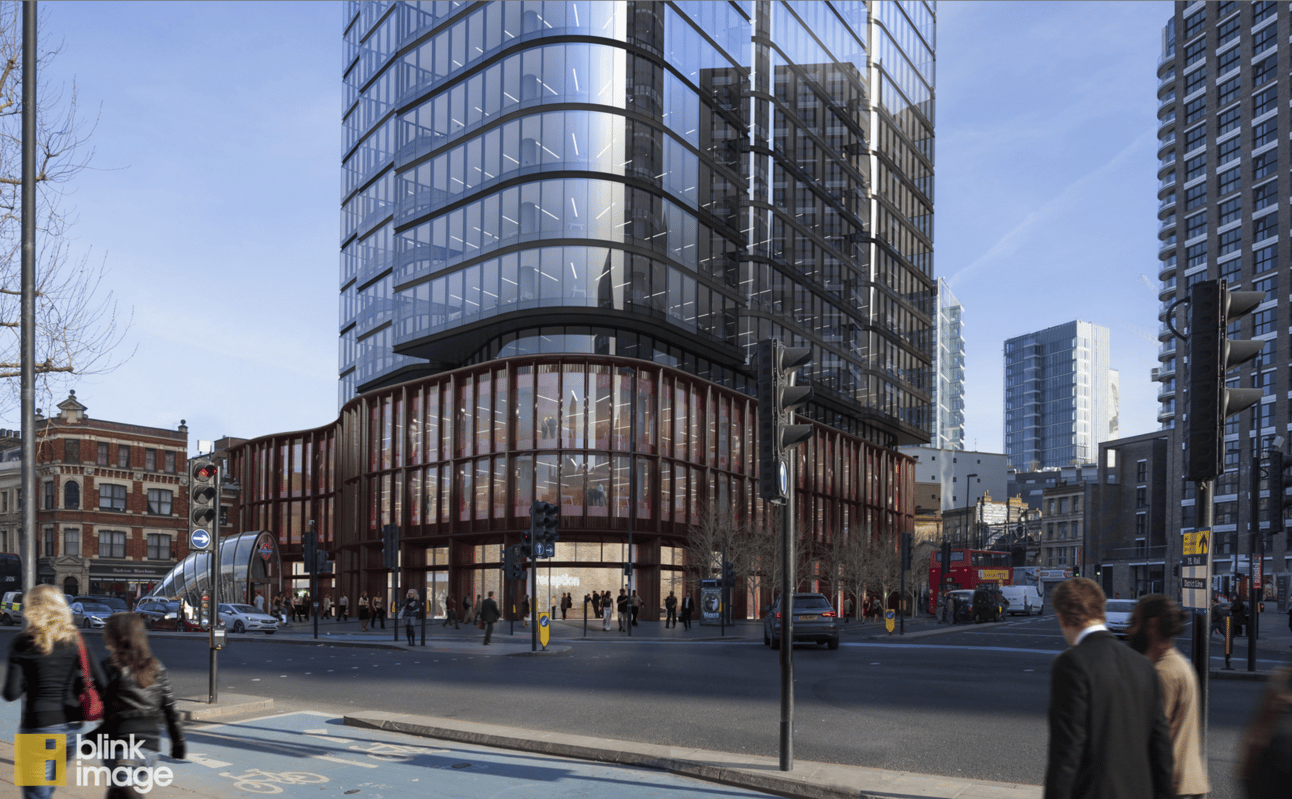
Created for planning - The composition, the scheme interiors and the people used throughout the image are focused on telling the story of a scheme designed to fit perfectly with both low and high rise City neighbours and which will make a lively and positive contribution to the street scene © Blink Image Limited
2. Choose dynamic viewpoints (but don’t distort reality)
Angles are powerful. The right one can highlight scale, accessibility, or a show-stopping feature. But if it warps proportions or hides tricky bits, it can damage trust. We aim for compositions that excite, without over-promising.
3. When using drone or plane imagery, look at what’s on the horizon
A high view can offer stunning context, if it’s used well. We always consider what’s behind the scheme: rolling countryside, a recognisable skyline, even the curve of a nearby motorway. These cues help place the development and give it story. Bonus tip: always keep some sky.
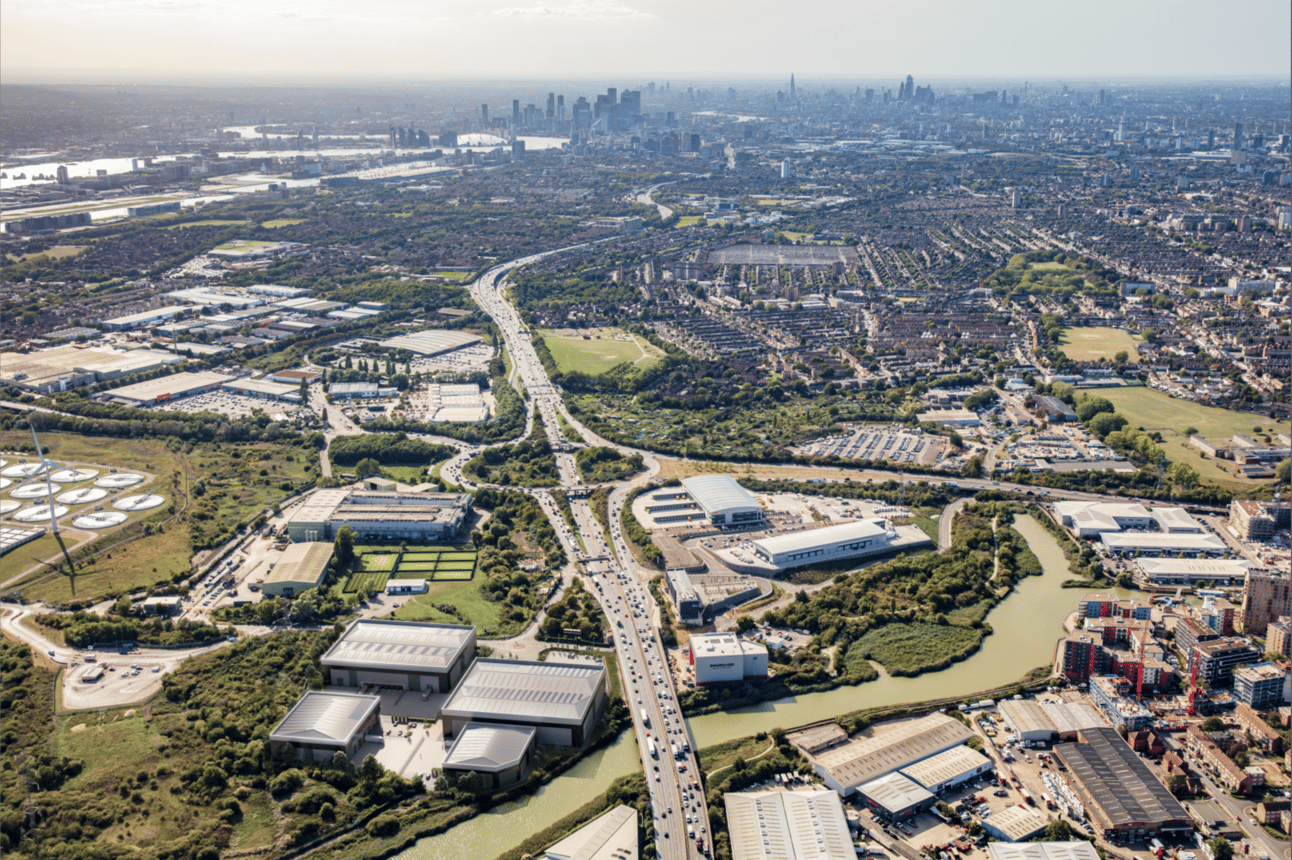
Modern, sustainable, superbly connected © Blink Image Limited
4. Good lighting isn’t just about ‘sunny’
Full sun doesn’t always equal the best image. Sometimes, softer side-lighting or longer shadows create better depth and contrast. Time of day affects everything, from the mood to the message, and we choose the right moment accordingly.
5. Layer your image for realism
Overhanging trees, architectural shadows, glimpses through fences or foliage - these compositional layers add atmosphere, realism and depth that draws you in. Flat images feel artificial. Layered images feel believable.
6. Get the dressing right
Too many marketing images fall flat because the wrong people or vehicles are used. Luxury flats with with an old banger parked up outside. Office schemes with what looks like a saturday shopping mall crowd milling outside. We always ask: who and what would be here? Then we dress accordingly.
7. Understand the limitations of photography
Some sites are awkward, hard to access, restricted for drone flights, or surrounded by construction. Knowing this in advance helps plan alternatives.
8. Watch out for ‘default and dull’
Is the building sitting in a sea of grey? Is the landscaping an afterthought? The biggest risk for CGIs is making a strong scheme look average. We look for the visual opportunities such as framed entrances, people arriving, or glimpses of greenery, to show character and confidence.
9. Who are the potential occupiers?
Whether it’s a flexible workspace, warehouse, lab or apartment - what’s the story inside? We consider the likely occupier and tailor interiors to match, going beyond the generic. It’s subtle, but it matters. People don’t just want to see a space. They want to see their space.
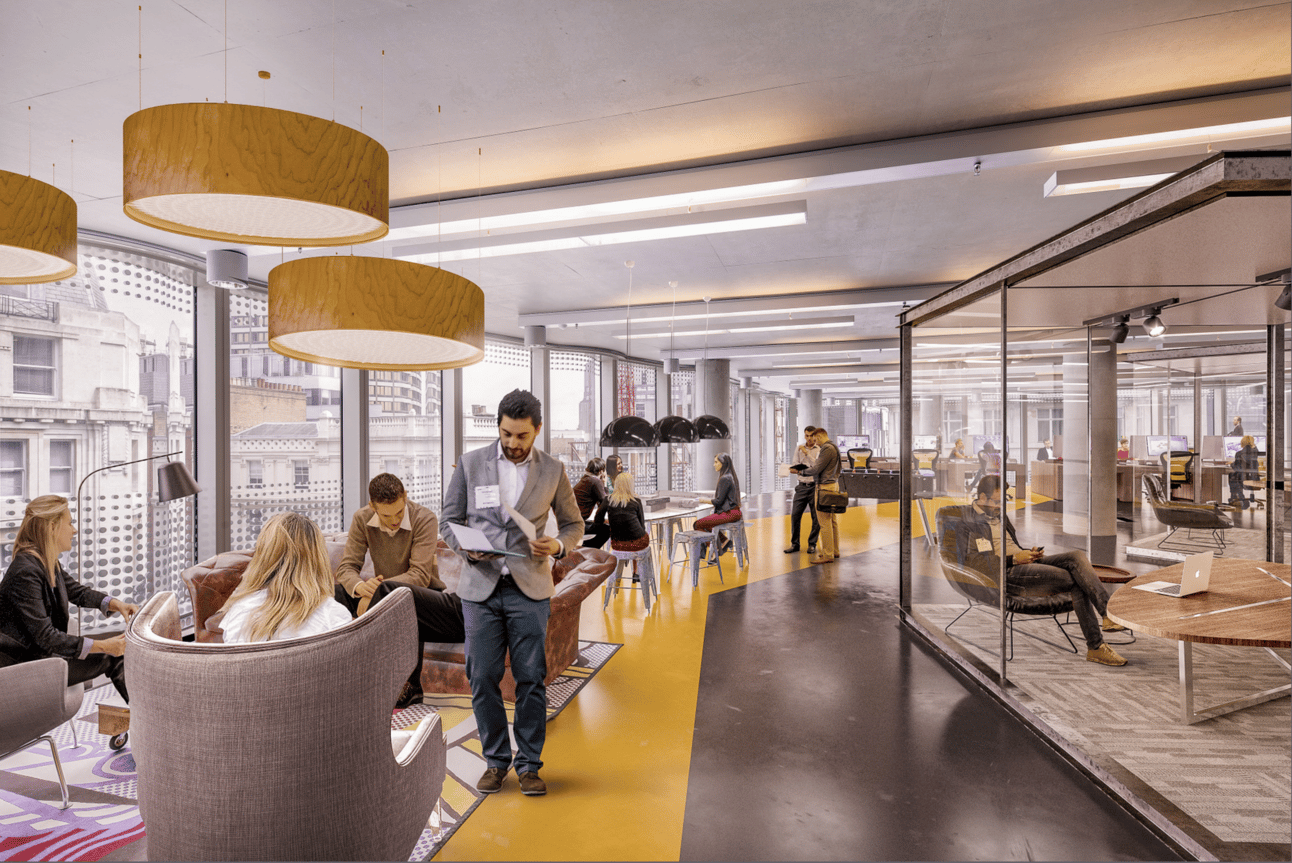
From the people we place in the image to the furnishings and decoration to the views glimpsed outside. All geared to telling the story of a central London space fit for thriving creative businesses © Blink Image Limited
10. Are the people actually believable?
A dead giveaway of a rushed CGI? People who are too small, too big, or just hovering strangely around the frame. People should look like they belong. A snapshot in time, telling the right story about how the scheme will be used. Entering buildings, walking dogs, unloading vans, chatting by the entrance. Human, but not distracting.
The takeaway?
The best CGIs work because the details have been considered. They’re not just nice pictures. They’re visual tools designed to persuade, reassure, and resonate. And they’re better when they’re built with purpose.
If you want help making your next CGIs work harder, let’s chat!
✉️ [email protected]
📞 07777 146495