- Seeing is Selling
- Posts
- Landscaping: The Silent Hero of Your Visual Strategy
Landscaping: The Silent Hero of Your Visual Strategy
How planting can make or break your imagery - depending on your audience

Richard Birket
July 04, 2025
The Story Starts at Ground Level
Landscaping often gets left behind.
It’s often (wrongly) seen as ‘filler’ in CGIs. An afterthought. Something to patch in once the building’s done.
But get it right, and it changes everything.
It grounds your architecture. It anchors your scheme in its environment.
It softens, complements, contrasts - and tells its own story.
And depending on who you’re trying to convince, it does very different jobs.
In Planning: Blend In, Don’t Stand Out
If planning success is the goal, the visuals need to feel calm, considered and believable.
That means:
Mature but understated planting to soften massing
Native species in line with ecological reports and biodiversity goals
Realistic seasonal context - not a sea of cherry blossoms in December
Because when you’re trying to ease concerns - not ignite them - landscaping isn’t just visual decoration. It’s a diplomatic tool.
It says:
“We’ve thought about the neighbours.”
“We’ve preserved the view.”
“We’re not here to dominate - we’re here to fit in.”
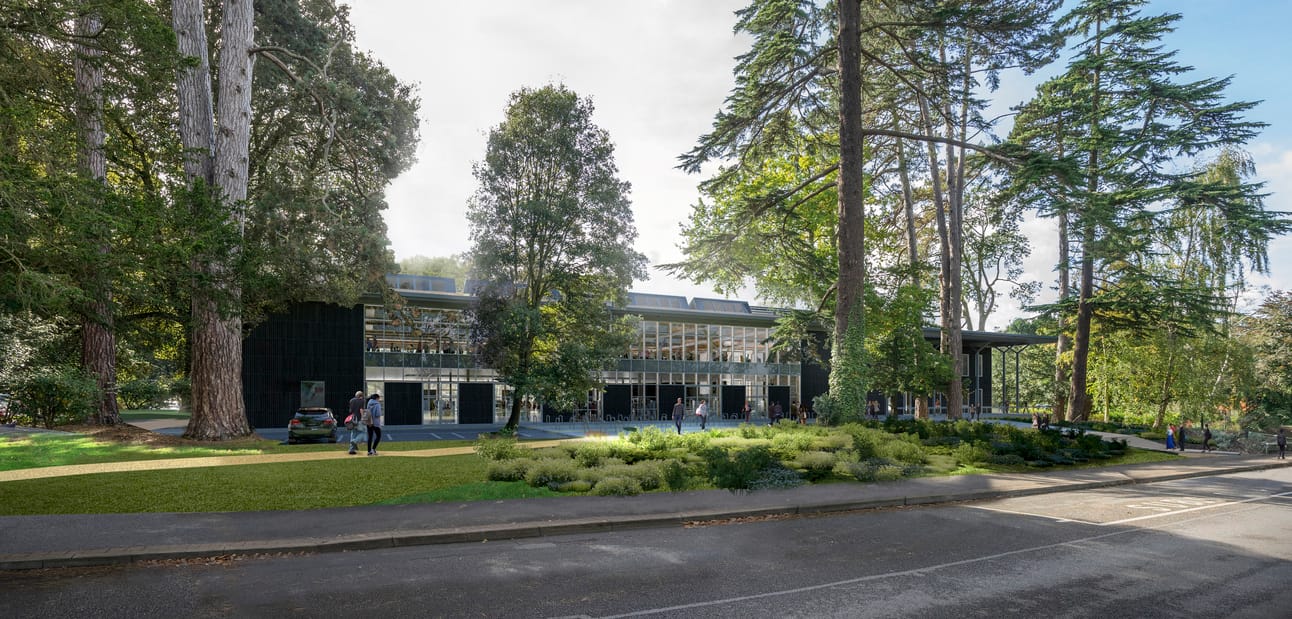
Planning CGI showcasing a proposed development blending into the surrounding natural environment | © Blink Image
In Marketing: Bring the Scheme to Life
Fast forward to post-consent - and the visuals need to work harder.
This time, the brief flips.
You’re not just showing how a scheme fits in. You’re showing why it stands out.
That’s where landscaping becomes a character, not a backdrop.
A wildflower verge that makes the site feel sustainable.
A row of silver birch that mirrors the verticality of the façade.
Soft outdoor seating that gives the whole place a sense of comfort and calm.
Roof terraces. Garden walls. Pocket parks. Green screens. EV bays surrounded by planting.
You’re selling a lifestyle, not just a layout. And every shrub counts.
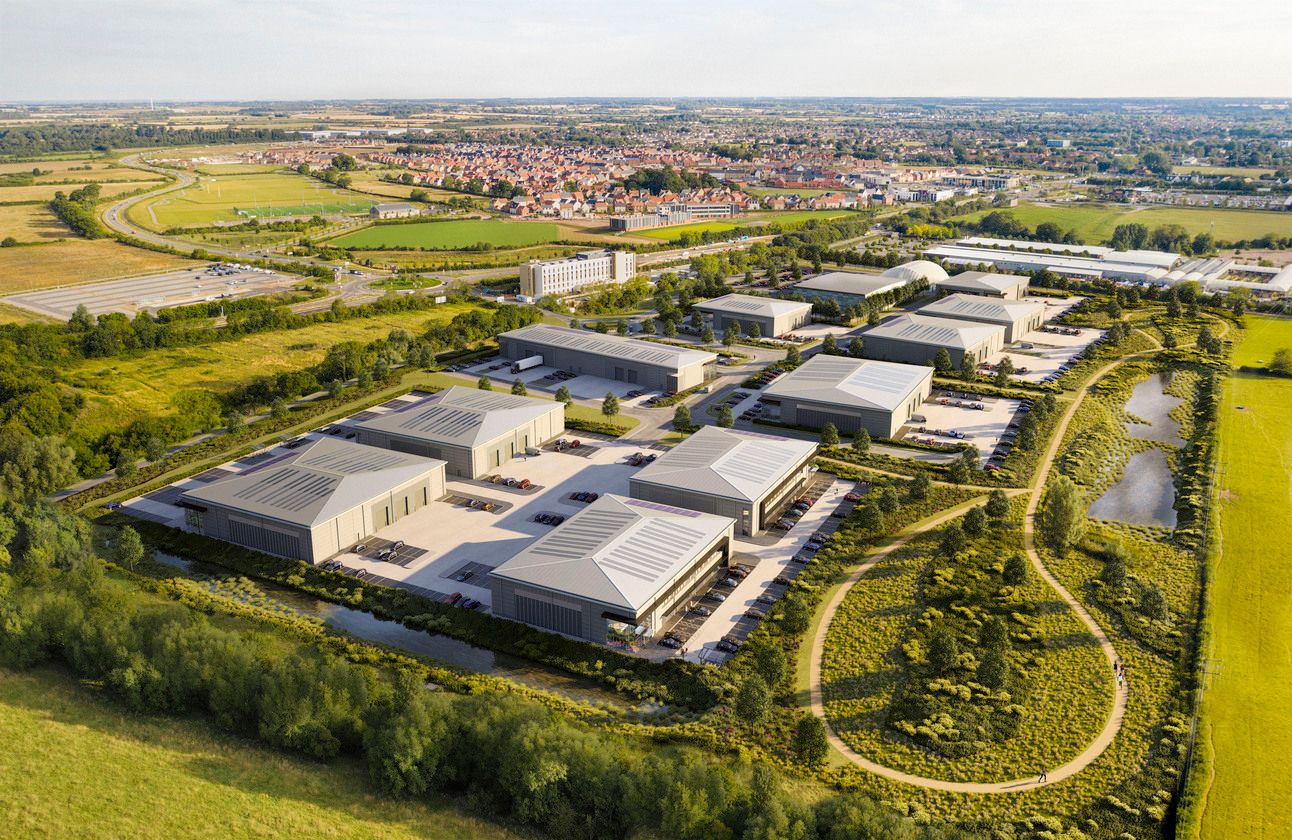
Marketing CGI for Albion Land - The generous amenity space was a huge part of the appeal, and value, of this scheme as well as a statement of the developer's commitment to the welfare of both tenants and their employees | © Blink Image
The Visualiser’s Role: Not Just the Building
Landscaping isn’t just “added in” at the end of our process. It’s part of how we build story, context and realism into your scheme.
To do that, we:
Read landscape proposals with care
Build environments that support your design intent
Balance marketing drama with planning nuance
Keep plantings appropriate for both climate and character
Use colour and texture to either soften or sharpen the architectural narrative
Because a scheme with no green feels sterile. A scheme with the wrong green feels fake.
But the right landscaping - done with realism, restraint and purpose - adds life, texture, emotion. It roots the narrative we’re aiming to sell.
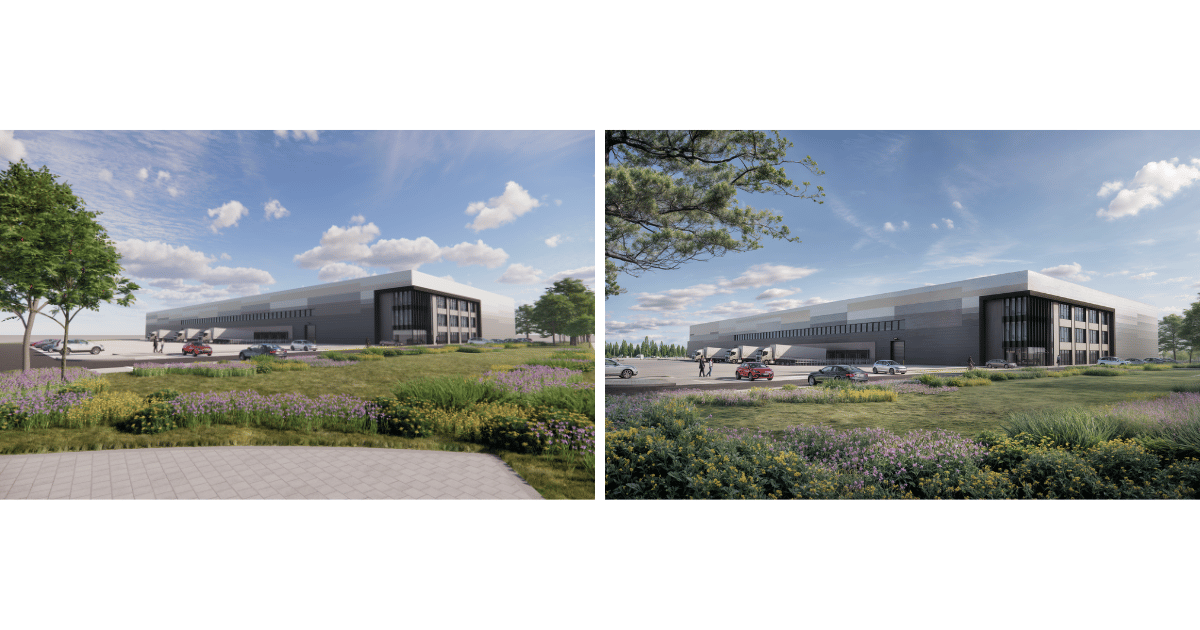
This before-and-after shows how refined landscaping can elevate a visual - framing the scheme and anchoring it more clearly in its surroundings. | Enhancement Image by © Blink Image
Final Thought
Whether you need your visuals to blend in or pop off the page, never underestimate the power of what’s growing around the building.
Landscaping shapes how your scheme is read. It’s what makes the architecture feel lived-in, thought-through - and most importantly, real.
Your visuals have a lot to say - make sure they’re saying the right things.
Drop us a line if you'd like to chat through your next project.
✉️ [email protected]
📞 07777 146495