- Seeing is Selling
- Posts
- One Image Can’t Do Everything
One Image Can’t Do Everything
Four audiences. Four jobs. Four completely different answers.

Richard Birket
March 27, 2026 • Estimated Reading Time: 3 minutes
Most development teams brief visualisation in the same way: decide what they want to show, then commission the images.
However, a more useful question comes first:
“What does this need to do?”
That applies whether the deliverable is a static CGI, an animation, a subtle animated still, a teaser film, or a full architectural film. The format is secondary. The outcome is what matters.
For most industrial schemes (and all schemes in general), the answer isn’t singular. It’s different four times over.
The same development typically needs a planning visual, a marketing visual, a tenant visual, and a community visual. Each has a different job. Each has a different audience. And if you expect one of them to do the work of all four, it almost certainly won’t.
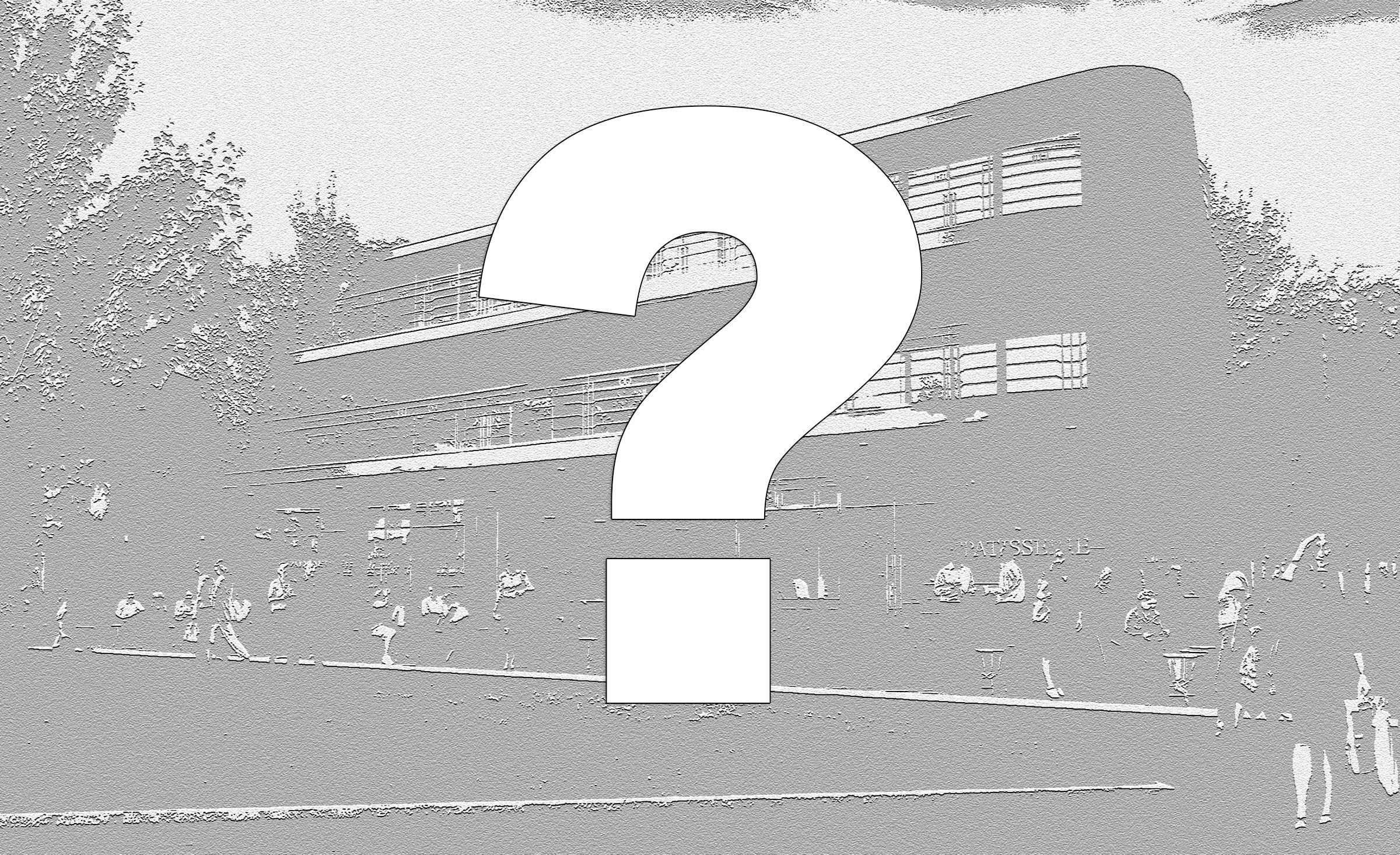
Planning: Accuracy Over Atmosphere
The verified view is usually the least visually striking asset in your project file.
It might be a wireframe. It might be a grey massing model overlaid on a photograph. It isn’t trying to sell anything — and that’s precisely the point.
The planning officer needs clarity, not atmosphere. They are asking: what is being built, how does it sit in its surroundings, and does it comply with policy?
A visually appealing image is not the objective here. Technical credibility is.
Asking a verified view to “look better” is often a sign that its purpose has been misunderstood. Its role is to be trusted, not admired.

A verified view (AVR) created for Aitchison Developments © Blink Image Limited
The Aerial: Right Audience, Wrong Audience
The aerial CGI is one of the most powerful visuals you can commission for an industrial scheme.
It communicates scale, investment, and confidence in a single image. Developers, agents and occupiers understand it immediately.
It would - however - be a mistake to show it to local residents without context or mitigation.
The same qualities that make an aerial compelling to a commercial audience — the scale of the buildings, the extent of the site — are exactly what can make it feel overwhelming in a community setting.
Used correctly, however, it is a highly effective tool. For a launch or pre-let campaign, an aerial works just as well as a static image, or as the opening sequence of a short film — establishing the scale of the opportunity before moving to more detailed views.
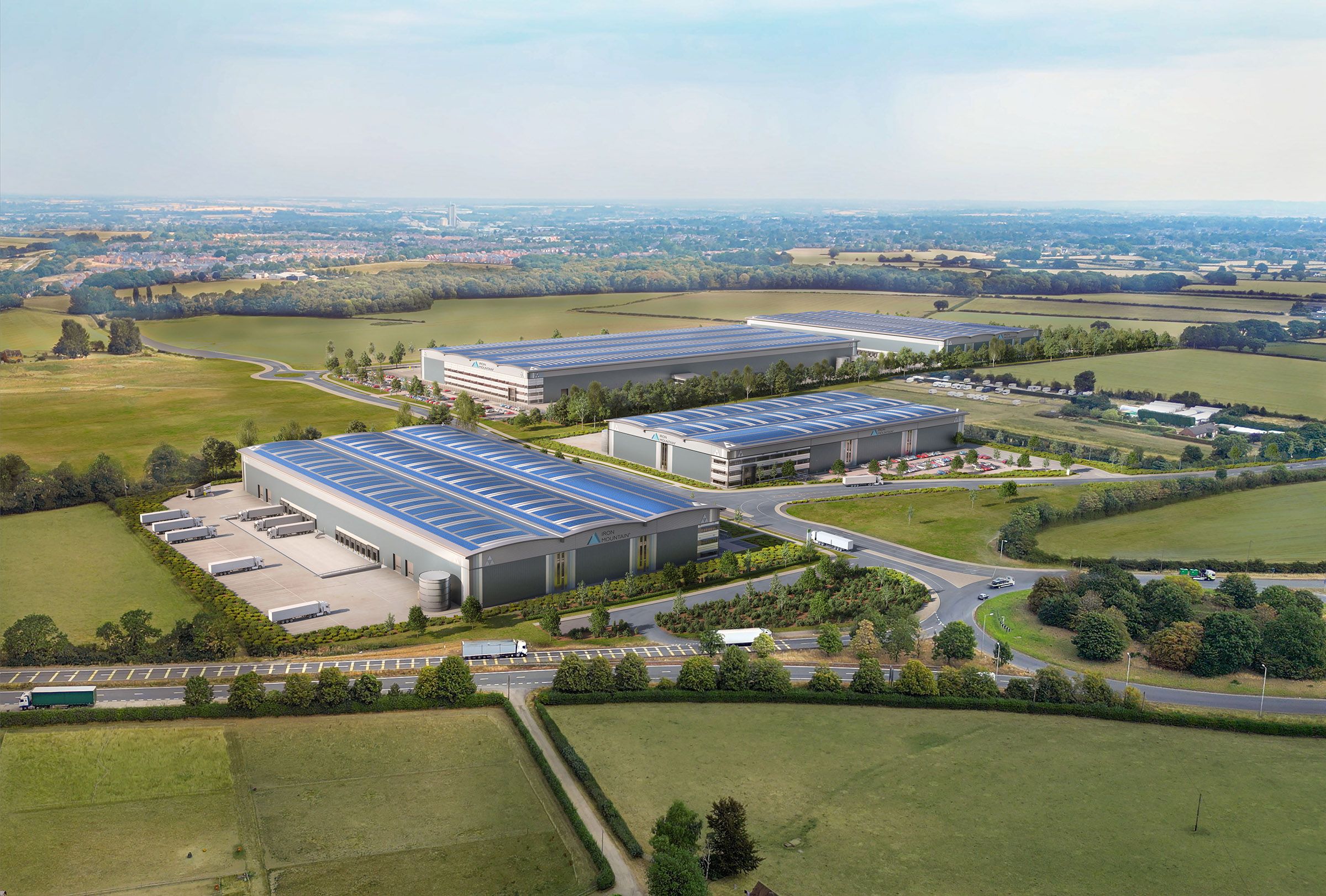
Aerial photomontage - Symmetry Park Rugby © Blink Image Limited
The Landscape Shot: Buildings as Background
For public consultation, the most effective visual is often one where the building is not the focal point.
A landscape-led image — a view from a public footpath, with planting in the foreground and the building sitting behind a green buffer — is doing a specific job. It is not trying to promote the development. It is demonstrating how it fits.
A subtle animated still — where light shifts or vegetation moves — can make that message feel more immediate. Not because it is more technically impressive, but because it reflects how people actually experience a place.
Producing an image like this requires intent. It means deliberately stepping away from making your building the hero.
For the right audience, that restraint is what makes the visual persuasive.
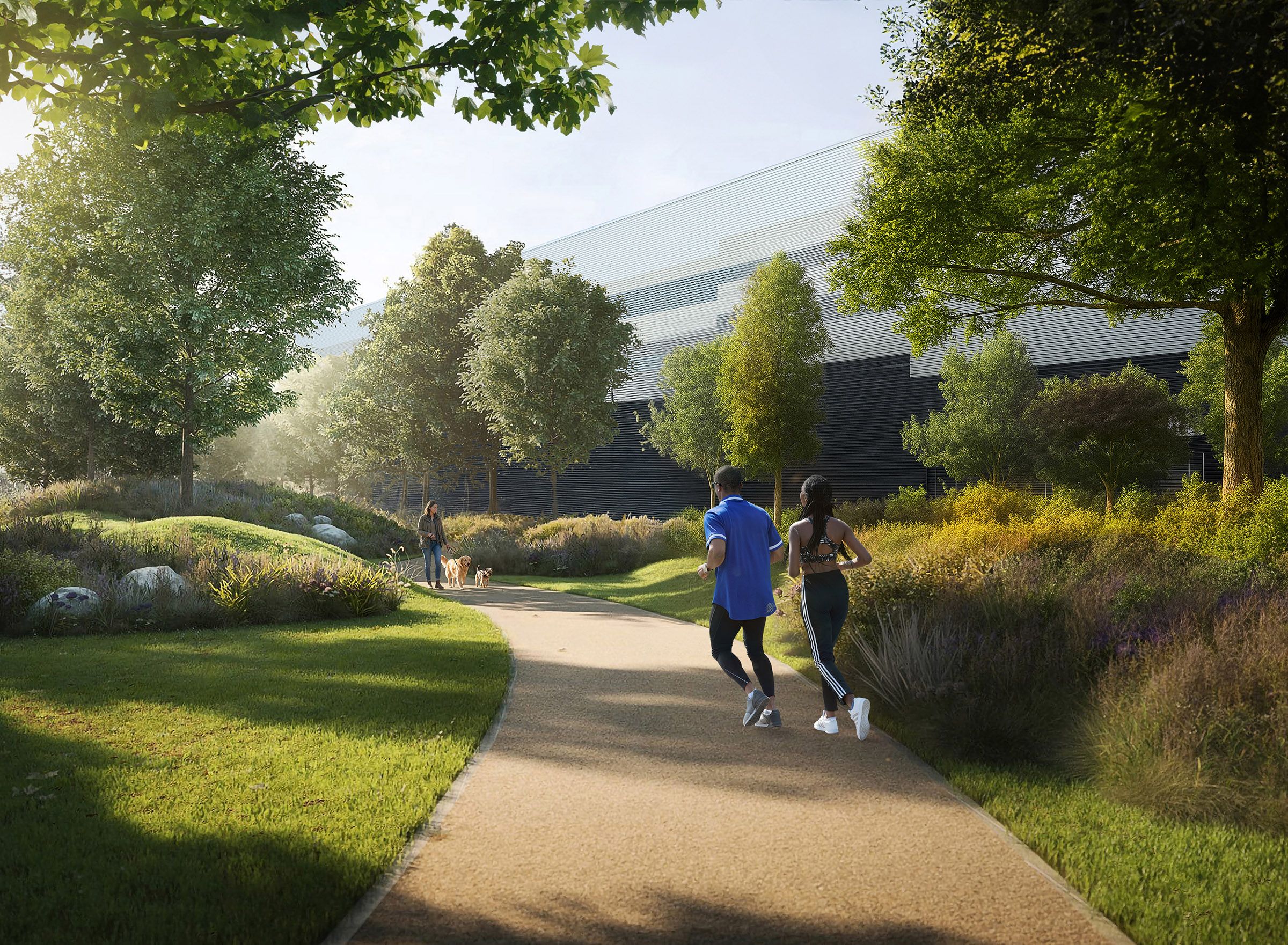
Landscape first - Thrive Park, IM Properties © Blink Image Limited
The Interior: Closing the Gap
Occupiers make decisions based on whether they can see their business operating within a building.
An exterior image, however well executed, doesn’t always provide that.
Interior visuals — showing racking layouts, dock operations, mezzanine configurations, or office fit-out — give occupiers something tangible to assess. They help bridge the gap between interest and commitment.
For more complex schemes, a short walkthrough animation or film can take that further, allowing a potential tenant to understand how the space functions in sequence rather than from a fixed viewpoint.
The brief here isn’t simply to show the interior. It’s to make the building usable in the mind of the occupier.
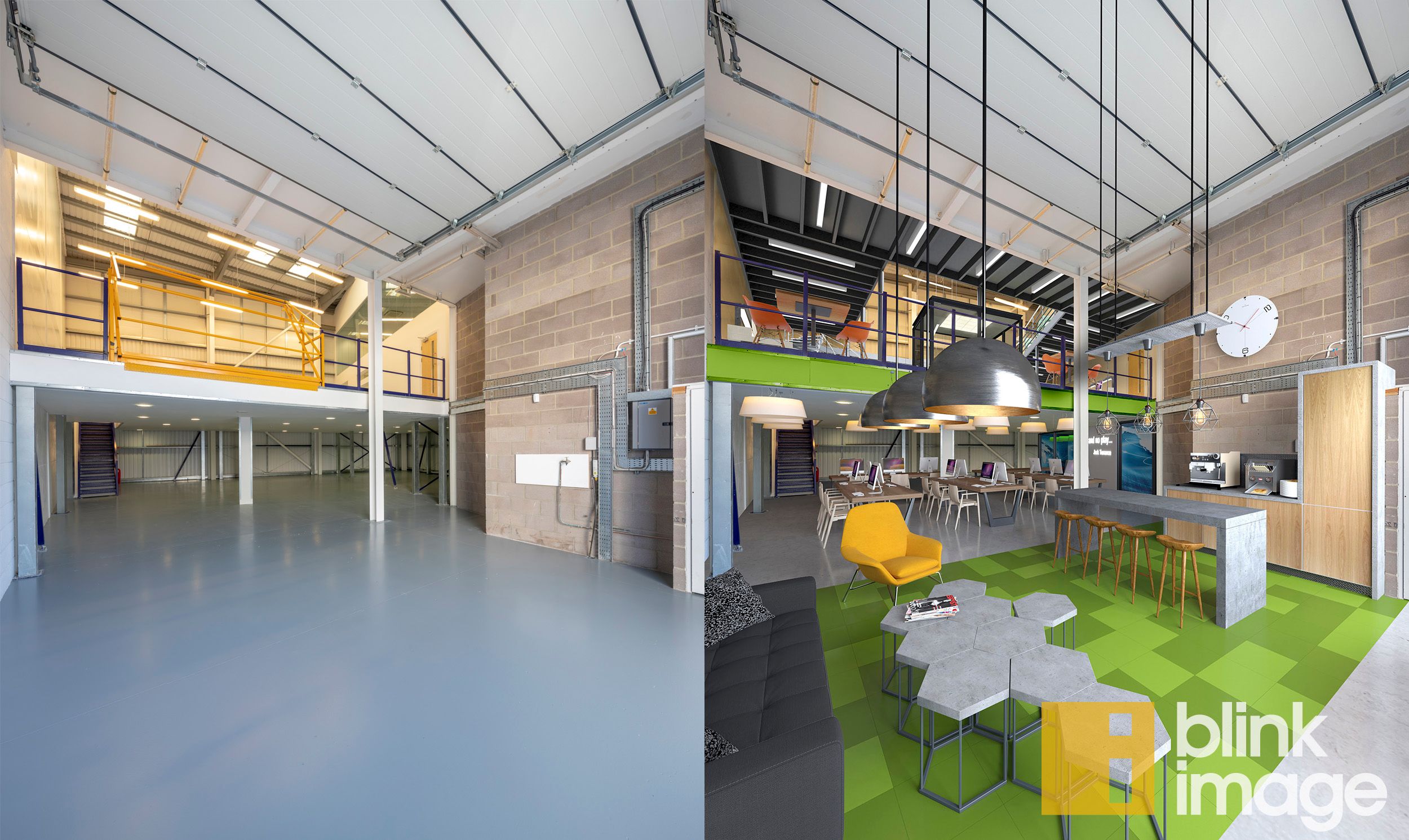
Battersea BP - Before/After showing possible fitout opportunities © Blink Image Limited
The instinct on most developments is to commission visuals and then decide how to use them.
The projects that work best do the opposite.
They start with the audience, the outcome, and the job each visual needs to do — and only then decide what to produce.
That principle applies whether the output is a CGI, an animation, a subtle animated still, or a full architectural film. The format follows the brief, not the other way around.
If you’re working on a scheme and thinking about how to approach the visual strategy before the brief is written, we’d be glad to have that conversation.
[email protected]
07777 146 495