- Seeing is Selling
- Posts
- 'Planning AND Marketing' or 'Planning V Marketing'?
'Planning AND Marketing' or 'Planning V Marketing'?

Hi reader!
We’re delighted to introduce you to the very first edition of our new Blink Image newsletter.
As a small company passionate about supporting architects and property developers through industry-leading imagery, we’ve created this weekly newsletter to share insights, tips, and inspiration to make navigating the feasibility, planning and marketing stages just a little easier.
We promise to keep things relevant and valuable, so we hope you’ll enjoy the ideas we’ve packed into this edition. If you have feedback or topics you’d like us to cover, we’d love to hear from you. Enjoy the read!
Property planning and property marketing serve distinct purposes - so can a ‘general’ CGI truly meet the needs of both?
On the face of it, it may seem there is very little difference between planning and marketing. Ultimately, the whole point of an architect or property developer is to get their buildings built, right? But who is your audience at the planning and marketing stage - is it the same audience or does it change?
Tailoring Visuals for Planning vs. Marketing Success
It’s undeniable: CGIs are now critical for communicating your development plans effectively. In a media-saturated world with shortened attention spans, you cannot afford for your designs to be misunderstood. High-quality CGIs ensure that stakeholders ‘get’ your scheme instantly.
But there’s a battle going on:
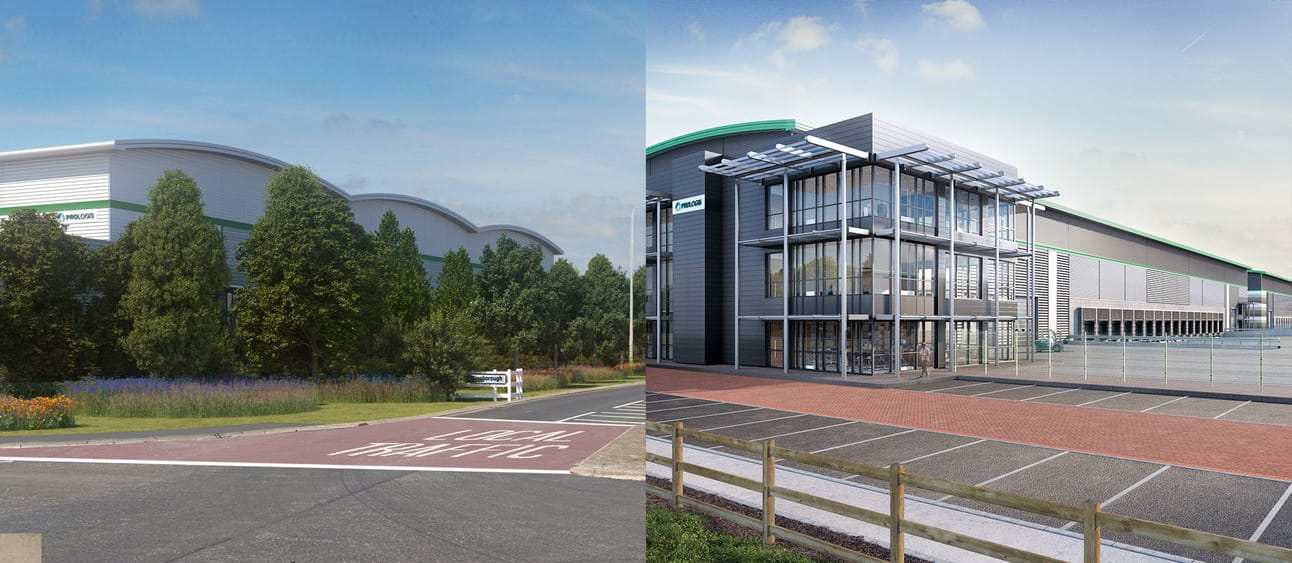
From a planning point of view, you want to make your scheme invisible. At the very least, it needs to blend in and make it seem as though it was there all along. “Nothing to see here…”.
From a marketing point of view, you want to sing loud and proud about the benefits of your scheme and how it will stand out from the crowd. “Look how awesome this building is!”.
As you can see, these are pretty much polar opposites.
It’s hard to separate the two sides by one being more important than the other. You can’t take a building to market that hasn’t got planning approval, and there’s no point chasing planning permissions if nobody will want to move in.
So what do you do about this? Can one CGI do both planning and marketing?

Jack of all trades, master of none
The answer is clear: no. A CGI cannot make a scheme both invisible and magnificent simultaneously. The phrase ‘Jack of all trades, master of none’ is particularly apt here.
Our advice - from over 25 years of creating visuals for both planning and marketing - is that you need to be absolutely clear what you are trying to achieve, and ensure any visuals that you commission are geared towards delivering that.
For example, if there is an underlying fear that the local community are going to be concerned about the visual impact of your development from their gardens or favourite walks, then you need to tackle that head on by showing how mitigations have been made to overcome this and commission CGIs that illustrate just that.
Similarly, whilst a key benefit of warehouse designs is their immense size, and therefore showing an aerial view will look impressive to an occupier, it will not do you any favours with that same local resident who will simply see a bunch of massive buildings landing on their doorstep.
But the story changes once planning approval is achieved. At this point, you can come out ‘all guns blazing’ and really shout and sing about how the impressive dimensions, ideal location and high tech construction makes your development ideal for top tier occupiers.
Beyond simply what your scheme will look like, at marketing stage you might want to drive the message of what it feels like to live or work in your development, and commission more intimate CGIs that focus on particular aspects of your scheme, such as the beautifully landscaped gardens, or the well equipped on-site cafeteria.
As you can see from these very simple examples, the audiences are very different for planning and marketing, and therefore your visuals need to be different too in order to have the greatest positive effects.
Targeted Imagery: Investing in Clarity for Maximum Impact
When commissioning images, it is crucial to define exactly what you aim to achieve.
Providing your image production team - whoever that may be - with deeper context about the project often yields better results. Explaining why things are designed the way they have been, or what the key concerns for planning might be. This can be invaluable for any good visualisation team and should enable them to be more thoughtful and proactive in setting up views that address these points.
Of course, having a set of marketing-focussed images in addition to a set of planning-focussed images is inevitably going to result in a greater spend on your part. However, in our experience, the benefits of targeted, results-driven imagery far outweigh the additional costs. Your road to planning approval will be more efficient, and your conversations with potential buyers/occupiers will be far easier.