- Seeing is Selling
- Posts
- Why Public Objections Can Derail Your Project – And How to Prevent Them
Why Public Objections Can Derail Your Project – And How to Prevent Them
How visuals can help ease concerns from planning committees and communities.

Richard Birket
February 07, 2025 • Estimated Reading Time: 3 minutes
The Big Idea
Public objections can be the single biggest roadblock to getting your development approved. Whether it’s concerns about aesthetics, environmental impact, or infrastructure strain, objections - if left unaddressed - can lead to delays, redesigns, or even outright refusal.
But there’s a way to mitigate these risks. Done right, visualisations don’t just show what your project will look like; they help tell a compelling, transparent story which pro-actively bolsters your case and reassures decision-makers and the public alike.
Here’s how the right visual strategy can reduce opposition and smooth the path to approval.
1. The Power of Seeing Before Believing
Many objections stem from fear of the unknown. People struggle to visualise change, and this uncertainty often results in resistance. A written description or architectural drawings won’t be enough to win over concerned stakeholders. But compelling, realistic CGIs and verified views help them see exactly what’s proposed - and more importantly, how it will fit within their existing environment.
Instead of relying on vague assurances, accurate planning imagery shows:
How the development integrates with surrounding buildings and landscapes.
The actual impact of the project, rather than an incorrectly perceived or assumed impact.
Key public benefits such as green spaces, improved infrastructure, or pedestrian-friendly design.
When people see a well-considered scheme that respects its surroundings, objections often soften - or disappear altogether.
2. Pre-empting and Addressing Concerns Early
Waiting for objections to arise before responding is a reactive approach that can lead to delays. Instead, proactively identifying and addressing potential concerns through visual storytelling puts you in control of the narrative.
For example:
Concern: “The development is too big.”
Solution: Accurate, verified views that prove the actual visual impact of your development so these sorts of concerns have no footing.Concern: “It’s out of character for the area.”
Solution: Planning images that show your scheme sitting within its photographic context (a photomontage) demonstrates clearly how your scheme complements existing architecture.Concern: “We don’t need more big, smelly factory buildings.”
Solution: CGIs and presentations would illustrate that your development is a sleek, modern environment to foster the growth of clean, high tech industries.
Anticipating objections and countering them with clear, engaging visuals shows that you’re acting in good faith - and helps to defuse opposition before it escalates.
3. Winning Over the Planning Committee
Planning committees have one primary concern: Does this scheme benefit the community while aligning with planning policy? A strong visual strategy can help make your case.
Verified Views: These offer an unbiased, technically accurate representation of how the project will appear in its real-world context.
CGIs with Human Scale: By incorporating people, transport, and greenery into visuals, developments feel more relatable and community-focused.
Showing the right perspective: A high level drone view of your scheme might be useful to show how big your buildings are for potential occupiers, but will not do any favours to local residents who walk their dogs nearby. Choosing suitable perspectives will help them realise exactly what the impact - if any - might be.
The right visuals don’t just support your argument - they make it easier for committee members to justify their decision to approve your project.
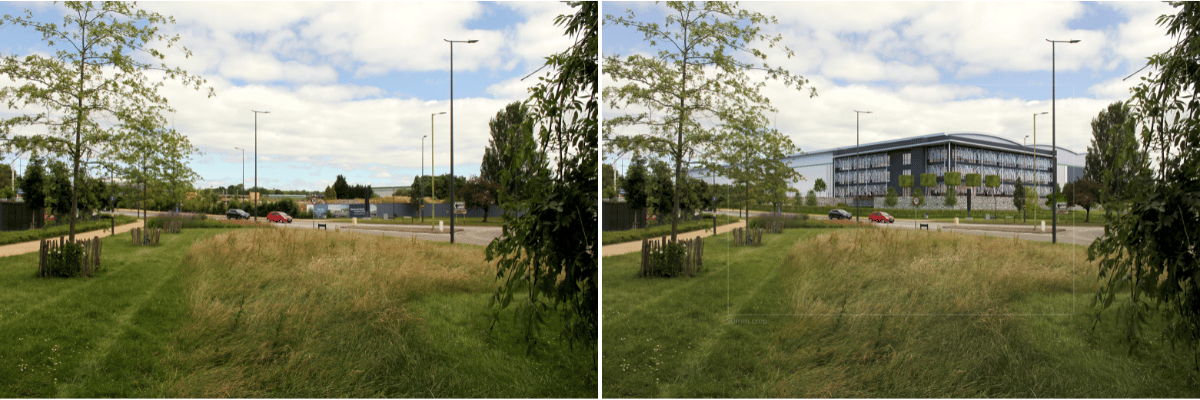
Blink Image Verified Views of Industrial Development
4. Community Engagement: Turning Opposition Into Support
Public consultation isn’t just a box to tick; it’s an opportunity to build goodwill. By engaging communities with immersive and accessible visualisations, you invite them to be part of the process rather than making them feel like decisions are being imposed upon them.
Consider using:
Animated Films: A powerful tool for storytelling, providing a clear narrative that delivers key information in an engaging and easily digestible format.
Interactive 360° Views: Allowing local residents to explore the development from different angles.
Before-and-After Comparisons: Clearly demonstrating how improvements will enhance the area.
Walkthrough Animations: Giving a sense of movement and atmosphere, making the scheme feel real and tangible.
A well-informed public is less likely to resist. When people understand a project’s benefits and see that their concerns have been considered, they’re far more likely to support it - or at least, not actively oppose it.
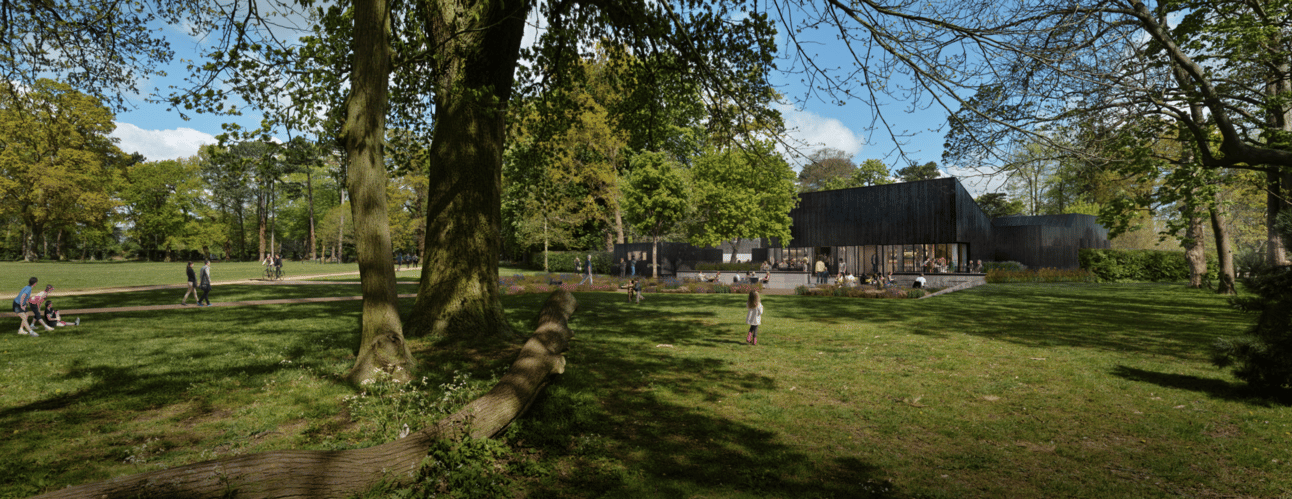
A Blink Image CGI showcasing a proposed development blending into the surrounding natural environment
Take the Next Step
If public objections are a concern for your project, the right visuals can be your most powerful tool in overcoming resistance and securing approval. At Blink Image, we specialise in creating high-impact planning visuals that clarify, reassure, and persuade.
Get in touch today to discuss how we can help your project gain the support it needs to move forward.