- Seeing is Selling
- Posts
- Why Some Planning Applications Fail (And How to Avoid It)
Why Some Planning Applications Fail (And How to Avoid It)
The right visuals can mean the difference between a quick approval and a frustrating rejection...
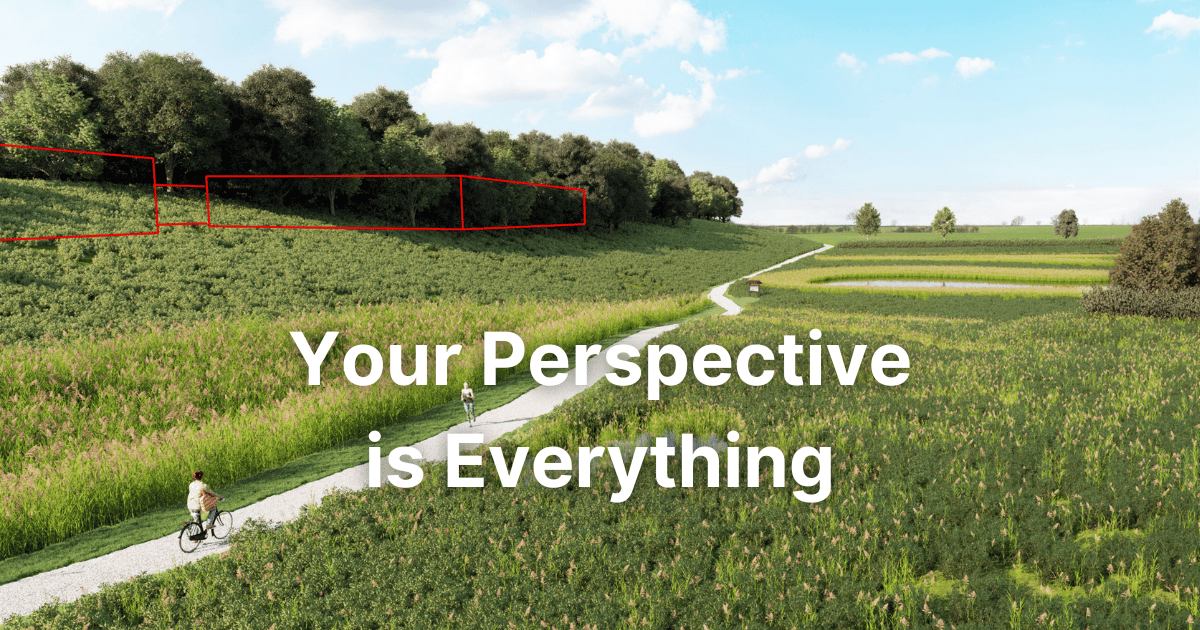
Planning permission: a necessary hurdle for every development project. But does it need to be a headache?
We think not. Planning exists to ensure developments serve the public good, and with the right approach, navigating it can be straightforward.
The secret? Communication – and the right visuals play a critical role. Effective imagery doesn’t just showcase a project; it highlights its benefits and addresses potential concerns, ensuring stakeholders see its value.
Why Planning Applications Fail
Planning decisions are usually fair, but success can hinge on how well your project is presented. Most applications fail for one of two reasons:
1. The development isn’t in the public’s interest.
2. It seems not to be – because its merits weren’t clearly communicated.
I think most would agree that the 2nd reason would be a particularly galling outcome as it's completely unnecessary.
The solution however is simple: thoughtful visuals that properly tell the story, aligning with regulations, and addressing the concerns of two key audiences: planning officials and the local community.
Tailoring Visuals to Your Audience
Planning officials focus on policy, environmental, and socio-economic factors, and local residents may care more about how a project affects their lives – from aesthetics to traffic to privacy. Your visuals must speak to both these groups.
For example:
While sweeping views of a site’s scale might speak to the potential for bringing highly skilled work opportunities into the area, a local resident may rightly baulk at the scale.
And even if the scheme's visual impact has been considered and thoughtfully mitigated, if this isn't visually demonstrated, the locals may be left with a highly misleading perception of how they will experience the scheme in their day to day lives.
Different angles address different concerns – and choosing the right ones is key.
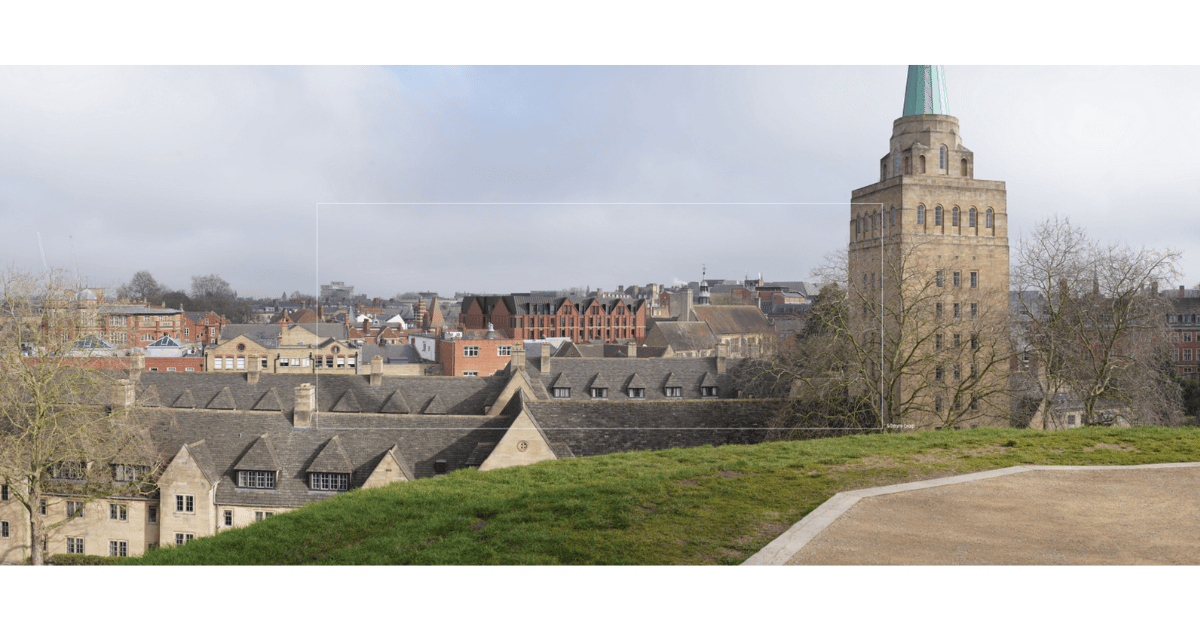
These two images of the same building show how different concerns are addressed by very different views..

Crafting the Right Visual Strategy
Great visuals don’t happen by accident. They require a team that understands your project, identifies potential sticking points, and creates assets that answer questions and ease concerns.
Verified views can ground your project in reality. CGIs can paint a picture of its potential. Together, they form a strategy that turns objections into approvals.
If you’re ready to take the hassle out of planning and want visuals that work for you, we’re here to help.
[email protected] | 020 3951 8457